
Typical Ingredients
Ginseng root extract, maca root extract, L-arginine, L-carnitine, zinc. Format: vegetable capsule or softgel. Serving: usually one to two capsules daily.
 VitalMan Naturals
A reference handbook for men's daily health.
Mon–Fri, 09:00–18:00 WIB

Popular Products for Men
This page compares widely used formats and ingredient blends found in men's health support products — men's multivitamins, natural capsules for strength and vitality, amino acid powders, zinc-focused products, and B-complex supplements. We look at what is typically in them, how they are formatted, and what the label tells you, so you can compare options based on ingredient information rather than marketing language.
A Note on This Page
Rather than ranking brands or recommending specific products, we compare types of supplements by format and ingredient profile. The goal is practical: when you pick up a container in a Jakarta pharmacy or browse an online shelf, you should be able to read the label and know what you are looking at. Below, each category includes the typical ingredients, the common formats, and the label details worth checking before you buy. We do not sell any of these products, and the comparisons are informational only.
Category One
A men's daily multivitamin is the most common starting point for supplement users. These products typically combine vitamins A, C, D, E, K, and the full B-complex family, along with minerals like zinc, magnesium, and sometimes selenium. The format is usually a tablet or capsule, with a suggested serving of one or two per day.
When comparing men's multivitamins, the most useful label details are the zinc content — many men's formulas include 10 to 15 mg per serving — the form of B12 listed (cyanocobalamin or methylcobalamin), and the form of vitamin D, which is usually D3, also called cholecalciferol. These three pieces of information tell you more about the product than the front-of-pack language does.
Some men's multivitamins also include plant extracts like ginseng or saw palmetto. These additions are often present in small amounts, and they should not be the primary reason for choosing one product over another. The vitamin and mineral core is what defines the category.
Category Two
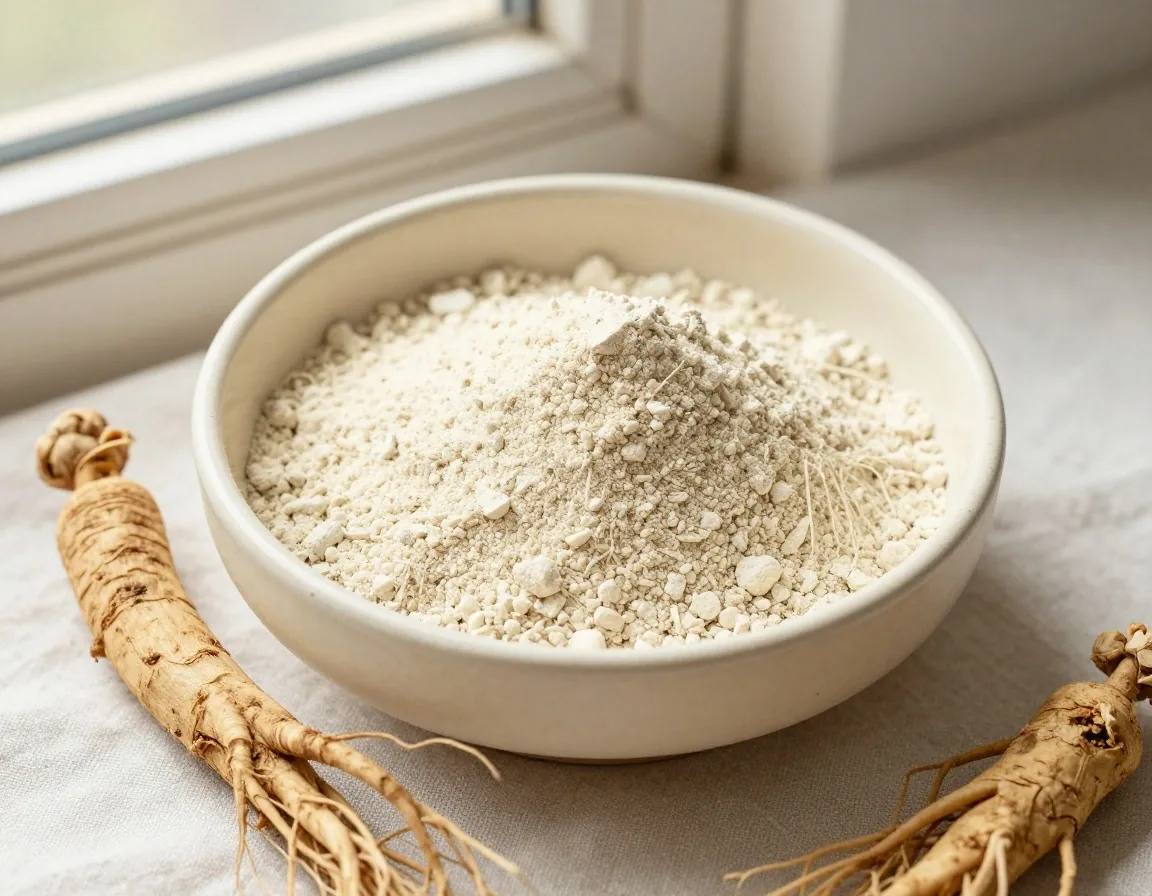
This category covers products marketed with language like "vitality," "strength," or "active male formula." They typically contain plant extracts — ginseng, maca root, and sometimes tribulus — alongside amino acids such as L-arginine and L-carnitine, and minerals like zinc. The format is usually a vegetable capsule or softgel.
When comparing these products, the most important detail is whether the label specifies extract ratios — for example, "maca root extract 10:1" — or just lists the ingredient name. A product with a specified extract ratio gives you more information for comparison than one with a generic "proprietary blend" that does not list individual amounts. Always read the back panel before considering the front-of-pack claims.
Ginseng root extract, maca root extract, L-arginine, L-carnitine, zinc. Format: vegetable capsule or softgel. Serving: usually one to two capsules daily.
Category Three
Energy and endurance supplements come in several formats, and the format often reflects the primary ingredient. The packaging shape is not a marketing choice — it follows from how much of the active ingredient fits into a reasonable serving.
Capsule or tablet
Products built around caffeine or guarana are usually in capsule or tablet form, because the effective serving is small enough to fit in a single pill.
Powder
Amino acid products like L-arginine and L-citrulline are often sold as powders, sometimes flavored, because the effective serving sizes are too large to fit in a single capsule.
Capsule blend
Plant extract blends that combine ginseng and maca are typically in capsule form, with the extract ratio printed on the label if the manufacturer discloses it.
When comparing, check the caffeine content if listed, the amino acid amount per serving in grams or milligrams, and whether the product includes added vitamins like B6 or B12 alongside the main ingredients.
Category Four
Picolinate, gluconate, citrate, and oxide. A typical standalone zinc product contains 15 to 25 mg per serving.
Some men's health support products focus specifically on zinc, either as a standalone supplement or as part of a mineral blend with magnesium and vitamin B6 — commonly referred to as a ZMA-style format. Zinc appears in several forms on labels: zinc picolinate, zinc gluconate, zinc citrate, and zinc oxide.
The form can affect how the product is discussed and compared, though all of these forms provide zinc. A typical standalone zinc product contains 15 to 25 mg per serving.
Zinc-focused products are popular among men who already take a multivitamin and want to add a specific mineral. If you fall into that group, check your total zinc intake across all supplements to avoid excessive consumption.
Category Five
B-complex supplements contain all eight B vitamins in one product and are commonly used by men looking to support energy metabolism without taking a full multivitamin. B12 standalone products are also popular, particularly among men who follow plant-based diets, since B12 is primarily found in animal products.
When comparing B-complex products, look at the form of B12 — methylcobalamin is frequently discussed in product marketing — and the amounts of B6 and folate, also called B9, as these can vary significantly between products.
Some B-complex products are marketed with energy language. While B vitamins do support energy metabolism, they do not provide a stimulant effect like caffeine. The comparison point is the ingredient form and amount, not the front-of-pack claim.
Category Six
Amino acid products focused on L-arginine and L-citrulline are typically used by men before physical training. L-citrulline is often preferred in formulations because it converts to L-arginine in the body and has better absorption characteristics, though both forms are widely available.
These products usually come as unflavored or flavored powders, with serving sizes measured in grams — commonly 3 to 6 grams for L-citrulline. Some capsule-based amino acid products exist, but they often contain lower amounts per serving because the powder volume is large.
When comparing, check whether the label lists the amount of the specific amino acid or if it is part of a blend that only shows a combined weight. A disclosed per-ingredient amount is easier to compare between products.
Practical Guidance
When comparing popular products for men, we suggest looking at four things. This information is printed on every supplement label sold in compliance with regional regulations.
The ingredient list
Every active ingredient appears on the label, typically in descending order by weight per serving.
The form of each active ingredient
For example, zinc picolinate versus zinc gluconate, or methylcobalamin versus cyanocobalamin. The form is part of the comparison, not just the name.
The amount per serving
How many milligrams or grams of each ingredient are in one serving, not per capsule — some products use a two-capsule serving.
The number of servings per container
A product that costs less per container may actually cost more per serving if the serving size is larger or the container has fewer servings inside.
A product with a longer ingredient list is not necessarily better. It may include very small amounts of many ingredients, some of which may not be meaningful at the listed serving size. The useful comparison is per-serving amount, not total ingredient count.
Label Reading
A "proprietary blend" on a supplement label lists multiple ingredients as a combined weight without specifying the individual amount of each ingredient. This format is common in natural capsules for strength and vitality and in some energy and endurance supplements.
The downside is that you cannot tell how much of each ingredient you are getting. When comparing two products, one with a proprietary blend and one with fully disclosed ingredient amounts, the fully disclosed product is easier to compare directly.
We flag proprietary blends in our comparisons because they limit a buyer's ability to evaluate what they are actually purchasing. If the label does not show per-ingredient amounts, the comparison becomes less precise and the decision harder to make on factual grounds.
Have a specific product comparison question?